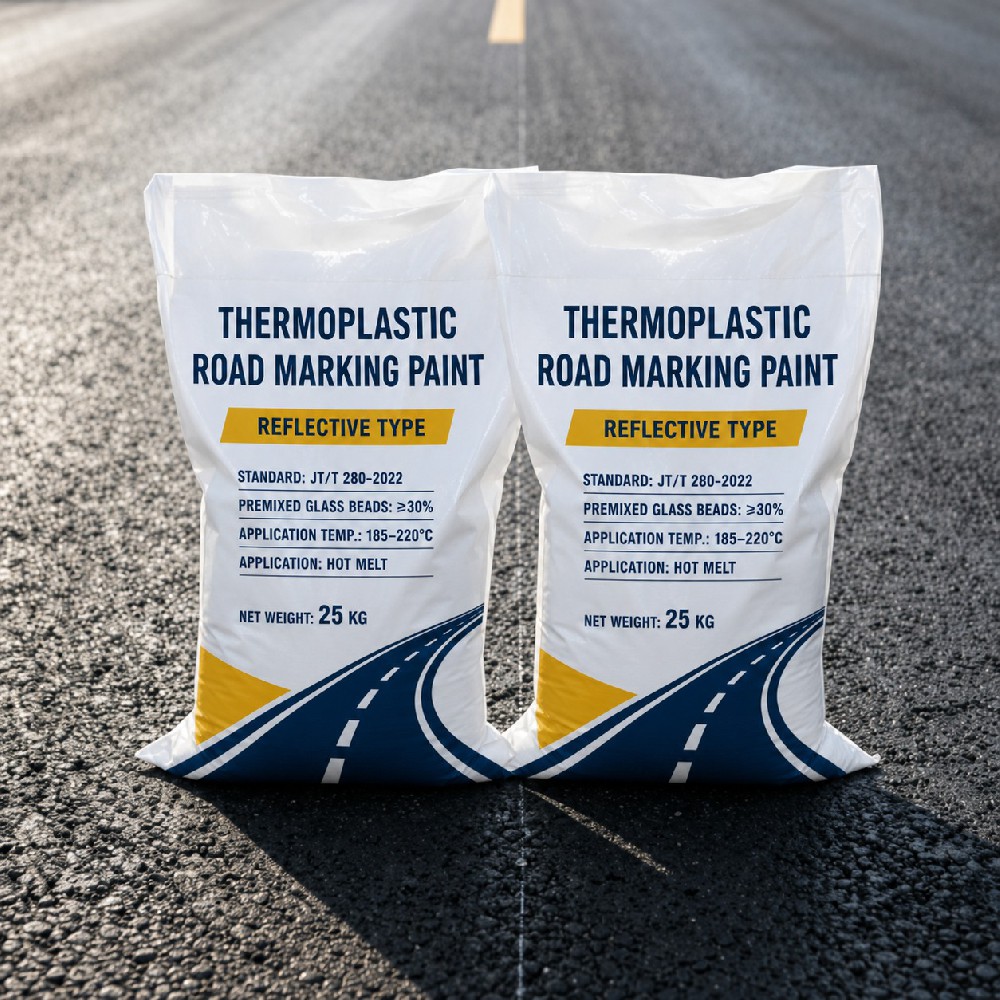
Products Description
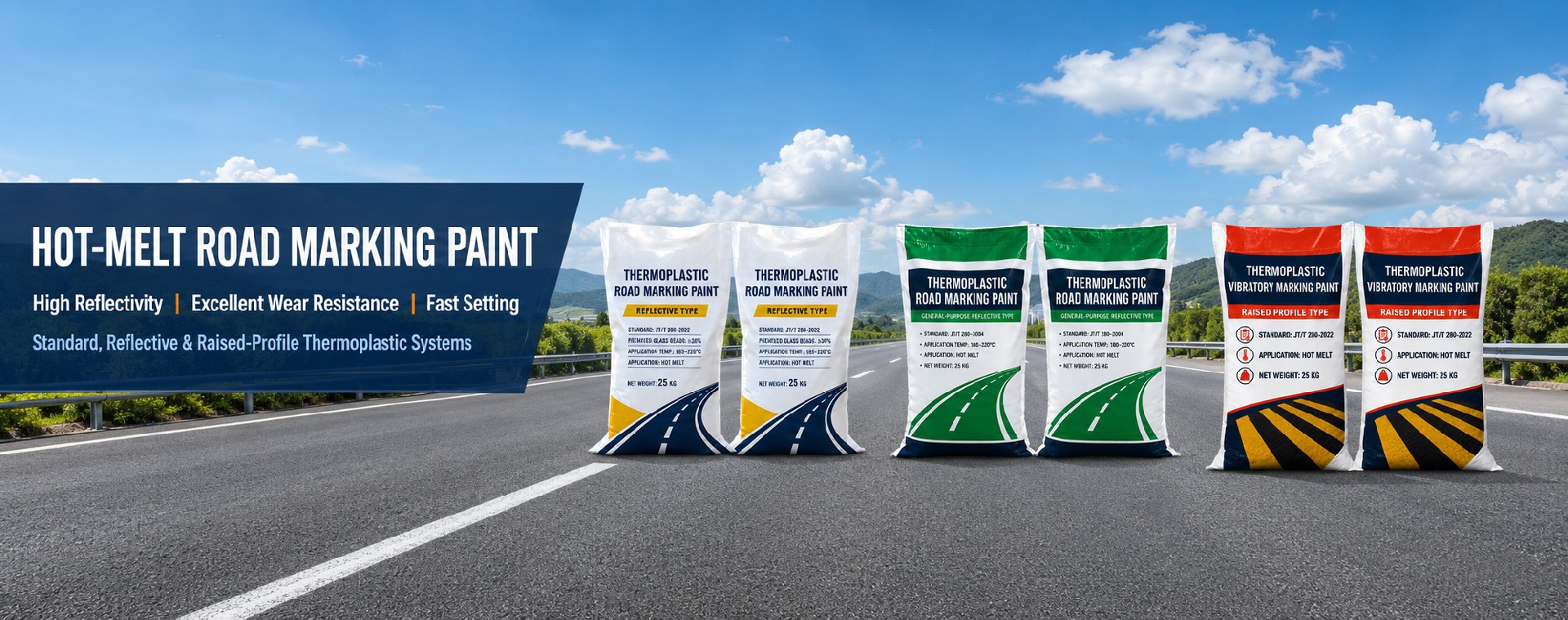
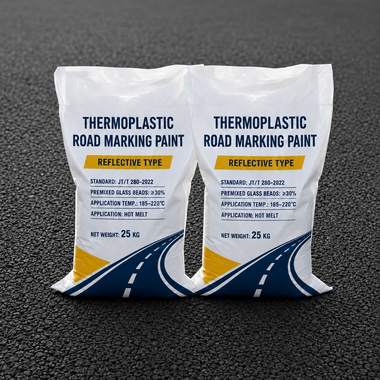
Reflective Thermoplastic Road Marking Paint
JT/T 280-2022 High-Visibility Road Marking Material for Highway and Municipal Projects
🛣️ Product Overview
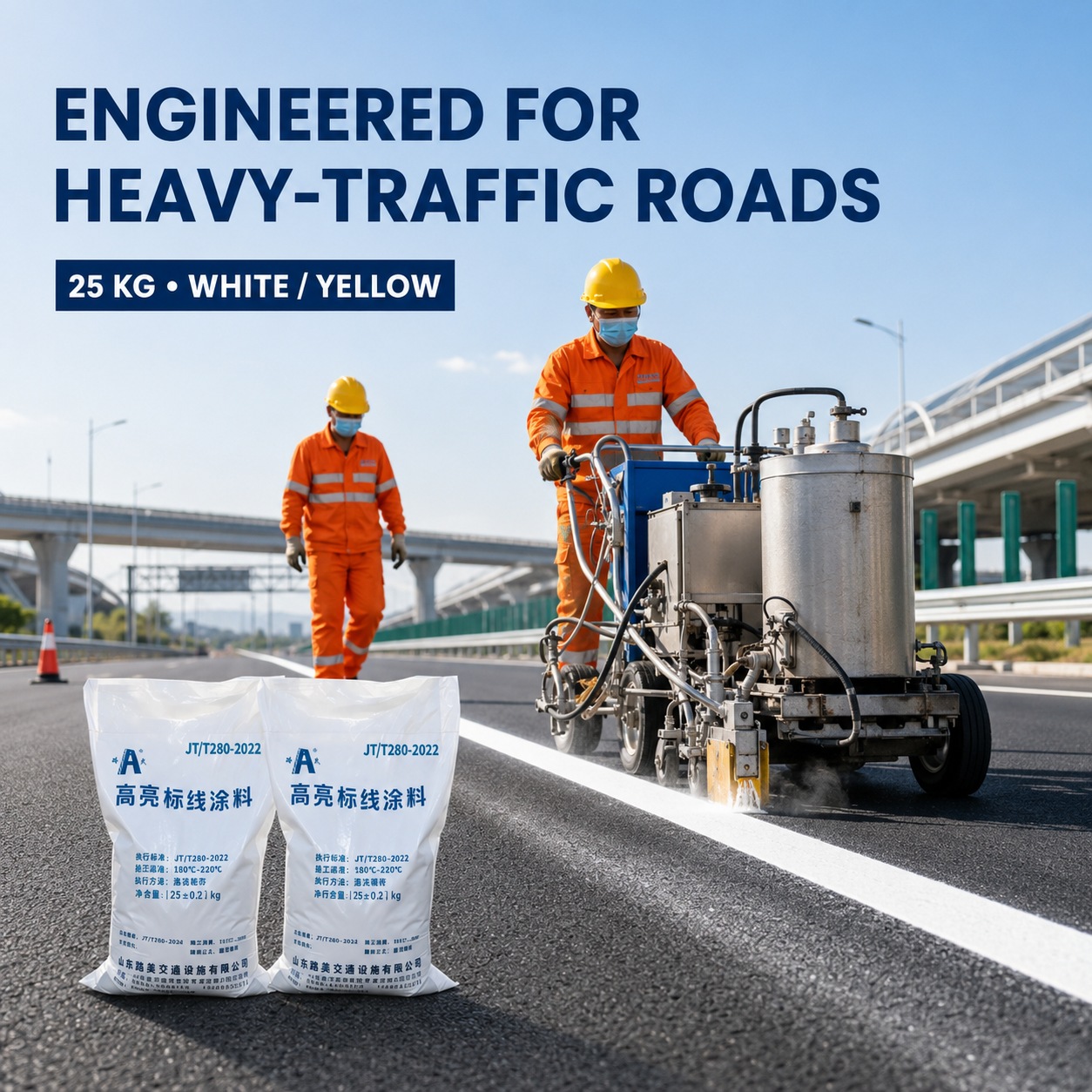
Reflective Thermoplastic Road Marking Paint is a hot-applied pavement marking material designed for highways, municipal roads, intersections, logistics areas and other heavy-traffic applications.
This product is manufactured according to JT/T 280-2022, the Chinese transport industry standard for pavement marking materials. Its formulation combines thermoplastic resin, graded aggregates, pigments, functional additives and high-quality reflective glass beads.
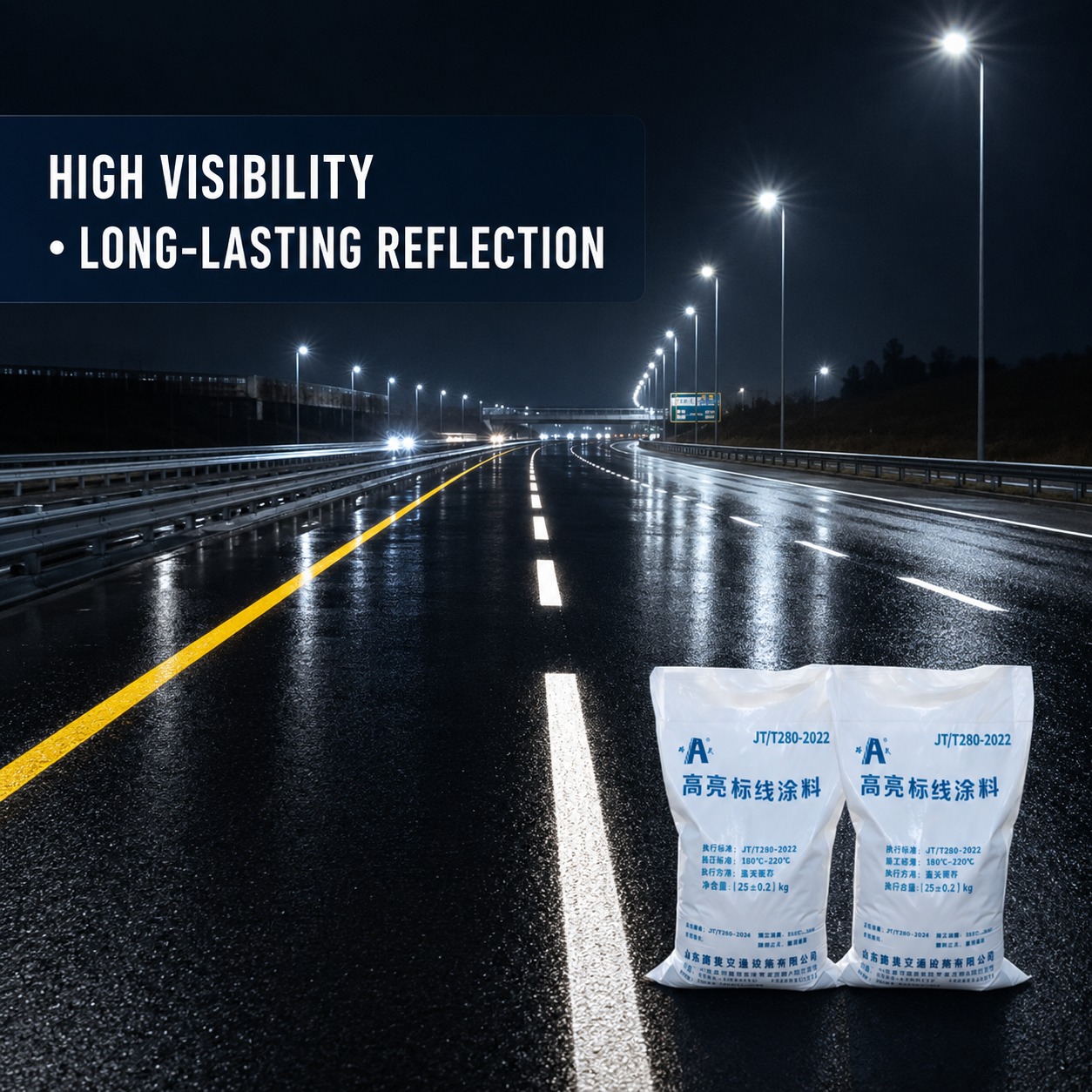
The product contains at least 30% premixed glass beads. When used together with compatible drop-on glass beads during application, it creates a dual reflective structure that supports both initial nighttime visibility and continued retroreflective performance as the marking surface gradually wears.
After controlled heating and application, the material forms a dense, durable marking layer with good wear resistance, compressive strength, color visibility and weather stability.
Standard white and yellow colors are available. Customized colors, formulations, packaging and private-label services can also be provided for distributors, contractors and project buyers.
◆ Key Product Advantages
◆ Manufactured According to JT/T 280-2022
The product is formulated and manufactured according to the technical requirements of JT/T 280-2022.
Relevant documents, including technical data sheets, factory inspection records, certificates of analysis and available third-party test reports, can be provided for buyer evaluation.
JT/T 280-2022 is a Chinese transport industry standard rather than an international standard. For overseas projects, buyers are encouraged to provide their local standard, tender document or required technical indicators before placing an order.
✦ Minimum 30% Premixed Glass Beads
The formulation contains at least 30% premixed reflective glass beads.
Premixed beads are distributed throughout the marking layer. As traffic gradually wears the surface, additional embedded beads may become exposed and help maintain retroreflective potential.
Compatible drop-on glass beads can also be applied immediately after marking installation to provide initial surface reflection under vehicle headlights.
Actual retroreflective performance depends on glass bead quality, application rate, bead embedment, marking thickness, road condition and installation quality.
⬢ Durable Under Repeated Traffic Loading
The thermoplastic resin and graded aggregate system creates a hard and cohesive marking layer after cooling.
The material is suitable for roads exposed to frequent vehicle traffic, including highways, urban arterial roads, intersections, toll stations, ports and logistics areas.
Correct surface preparation, heating control and marking thickness are essential for achieving stable wear resistance and adhesion.
☀ Weather-Stable Formulation
The formulation is designed for normal outdoor exposure to sunlight, rainfall and seasonal temperature changes.
When properly applied to a suitable road surface, the marking can maintain good color visibility and structural integrity under a wide range of operating environments.
For projects in extremely hot, cold, humid or high-altitude areas, the local climate and road conditions should be provided so that the formulation can be evaluated before production.
✓ Fast Cooling and Traffic Reopening
Thermoplastic road marking paint is heated before application and hardens as it cools.
Compared with many liquid road marking systems, the material allows relatively fast reopening to traffic after the marking has cooled and passed an on-site inspection.
This helps contractors shorten road closure periods and improve daily construction efficiency.
▣ Factory Supply and Customization
Lumei provides stable factory supply for road contractors, distributors, importers and government infrastructure projects.
Available services include:
• White and yellow standard colors
• Project-specific color customization
• Formulation adjustment according to climate and traffic conditions
• Moisture-resistant export packaging
• Private-label and OEM packaging
• Technical documents and application guidance
• Container loading and export supply support
⚙️ Technical Specifications
Product Name: Reflective Thermoplastic Road Marking Paint
Product Type: Hot-Applied Pavement Marking Material
Referenced Standard: JT/T 280-2022
Physical Form: Dry Granular or Powder Mixture
Binder Type: Modified Thermoplastic Resin
Premixed Glass Bead Content: ≥30%
Recommended Heating Temperature: 185–220°C
Standard Colors: White and Yellow
Optional Colors: Project-Specific Colors Available
Suitable Road Surfaces: Asphalt and Properly Prepared Concrete
Application Method: Thermoplastic Road Marking Machine
Surface Glass Beads: Compatible Drop-On Beads Recommended
Standard Packaging: 25 kg Moisture-Resistant Woven Bag
Private Label Service: Available
Please note that the information above represents the general product configuration. Final specifications, test methods and acceptance requirements should be confirmed through the quotation, technical data sheet and sales contract.
📍 Typical Applications
Reflective Thermoplastic Road Marking Paint is suitable for new road construction, road maintenance and remarking projects.
Typical applications include:
• Highways and expressways
• Highway ramps and toll stations
• Tunnel entrances and exits
• Urban arterial roads
• Municipal streets and intersections
• National and provincial roads
• School and hospital zones
• Ports and freight terminals
• Logistics parks and industrial areas
• Parking areas and traffic management zones
The correct product formulation should be selected according to traffic volume, road surface condition, climate, required marking thickness and applicable project standard.
🧱 Suitable Road Surfaces
Asphalt Pavement
The product can be applied to clean, dry and structurally stable asphalt pavement.
Dust, loose particles, oil, moisture and other contaminants must be removed before application. A compatible primer may be required on aged, polished or low-adhesion asphalt surfaces.
Concrete Pavement
The product can also be applied to properly prepared concrete surfaces.
Concrete must be fully cured, clean and dry. Surface laitance, dust, curing compounds and oil contamination must be removed.
A compatible thermoplastic road marking primer is normally recommended to improve adhesion between the marking material and concrete substrate.
🔧 Application Instructions
1. Prepare the Road Surface
The application area must be clean, dry and free from dust, loose particles, mud, oil and standing water.
Damaged or unstable road surfaces should be repaired before marking installation.
2. Apply Primer When Required
Concrete, aged asphalt and low-adhesion surfaces may require a compatible primer.
The primer must be allowed to reach the recommended condition before thermoplastic material is applied.
3. Heat the Material Gradually
Place the material in suitable thermoplastic preheating equipment.
Heat gradually while maintaining continuous agitation. The recommended operating range is generally 185–220°C, but the exact temperature should be adjusted according to equipment, ambient conditions and the project-specific technical data sheet.
Avoid excessive heating or prolonged exposure to high temperature, as this may affect resin performance, color and glass beads.
4. Apply the Road Marking
Apply the molten material with professional thermoplastic road marking equipment.
Marking thickness, line width and application speed should be controlled according to the project design and acceptance specification.
5. Apply Drop-On Glass Beads
Where immediate retroreflection is required, compatible drop-on glass beads should be applied evenly while the marking surface is still molten.
Correct bead application rate and embedment are important for achieving reliable nighttime visibility.
6. Reopen the Road
Traffic should only be reopened after the marking has cooled, hardened and passed an on-site inspection.
Cooling time may vary depending on marking thickness, pavement temperature, weather and construction conditions.
📦 Packaging and Storage
Standard packaging is 25 kg per moisture-resistant woven bag.
The product should be stored in a dry, ventilated warehouse and protected from rain, direct sunlight and ground moisture.
Bags should remain sealed before use. Damaged or wet packaging may cause moisture absorption and material agglomeration.
For export orders, the following options can be discussed:
• Standard neutral packaging
• Lumei branded packaging
• Private-label packaging
• Palletized or non-palletized loading
• Customized shipping marks
• Container loading plans
Final container loading quantity depends on packaging type, pallet requirements, container limits and destination regulations.
🔍 Quality Control and Documentation
Raw materials, production formulas and finished batches are inspected according to the factory quality-control process.
Available documents may include:
• Product Technical Data Sheet
• Certificate of Analysis
• Factory Inspection Certificate
• Batch Quality Record
• Available Third-Party Test Report
• Packing List and Commercial Invoice
• Export Documentation Support
Because technical requirements vary between countries and projects, buyers should send the applicable specification or tender document before ordering.
Our technical team can compare the required indicators with the available formulation and recommend a suitable product configuration.
🌍 Customization for Export Markets
Different markets may have different requirements for color, softening point, wear resistance, glass bead content, marking thickness and climate adaptability.
Customized production can be evaluated according to:
• Destination country
• Local road marking standard
• Average summer and winter temperatures
• Road surface type
• Traffic volume and vehicle load
• Required color
• Required line thickness
• Required test indicators
• Packaging and labeling requirements
Sample evaluation or trial orders can be arranged before large-volume purchasing.
❓ Frequently Asked Questions
Q1: Is JT/T 280-2022 an international road marking standard?
No. JT/T 280-2022 is a Chinese transport industry standard for pavement marking materials.
For overseas projects, please send your local standard, tender specification or required test indicators. We will evaluate whether the product configuration is suitable for your project.
Q2: What is the difference between premixed and drop-on glass beads?
Premixed glass beads are distributed throughout the thermoplastic material. They may become exposed gradually as the marking wears.
Drop-on glass beads are applied to the molten marking surface during construction and provide initial retroreflection.
The two types of beads work together to support nighttime visibility.
Q3: Can the product be applied on concrete roads?
Yes. The concrete must be properly cured, clean, dry and free from laitance, oil and loose particles.
A compatible primer is normally recommended to improve adhesion between the thermoplastic marking and concrete surface.
Q4: What colors are available?
White and yellow are the standard colors.
Project-specific colors can also be customized after confirming the required color reference, application environment and order quantity.
Q5: Can the formulation be customized for hot or cold climates?
Yes. The formulation can be evaluated according to local temperature, rainfall, traffic conditions and road surface type.
Please provide the project location and climate information before ordering.
Q6: How long can the marking last?
Service life depends on traffic volume, vehicle load, marking thickness, road condition, climate, surface preparation and application quality.
For this reason, a fixed service-life guarantee should not be based only on the material itself. We can recommend a suitable formulation after reviewing the project conditions.
Q7: Do you provide glass beads and primer?
Compatible drop-on glass beads and road marking primer can be supplied together with the thermoplastic material.
This helps the buyer obtain a more complete road marking material solution from one supplier.
Q8: What information is required for a quotation?
Please provide:
• Required quantity
• White, yellow or customized color
• Destination country and port
• Applicable standard
• Road surface type
• Expected marking thickness
• Packaging requirements
• Required delivery date
For government or tender projects, please also send the technical specification.
🤝 Request a Factory Quotation
Contact Lumei for product specifications, technical documents, sample evaluation and export quotations.
Please send us your required quantity, color, destination port and applicable project standard.
We can provide:
✓ Factory-direct supply
✓ 25 kg export packaging
✓ Technical data and inspection documents
✓ White, yellow and customized colors
✓ OEM and private-label service
✓ Glass beads and primer supply
✓ Application guidance
✓ Container loading support
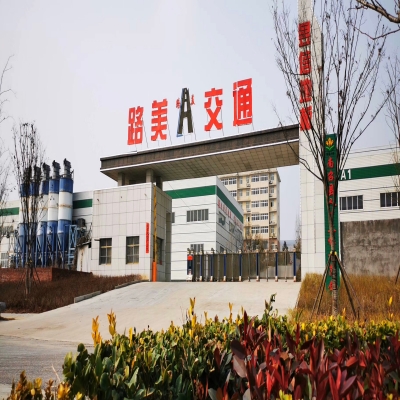
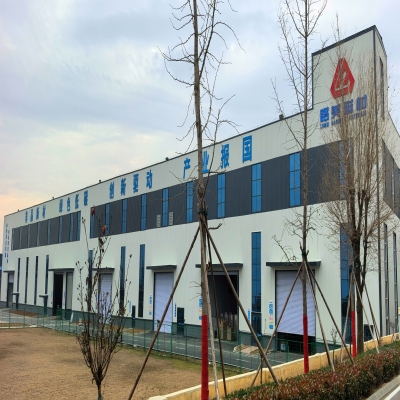
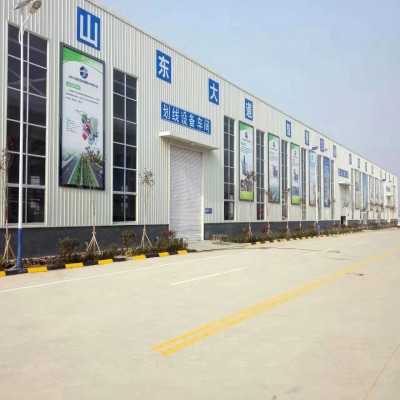
Our factory
LUMEI Road Marking···
LUMEI Road Marking···
LUMEI Road Marking···
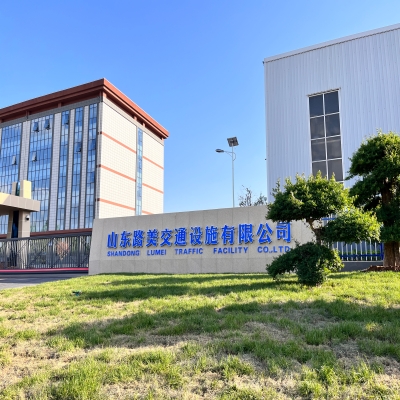
LUMEI Factory and ···
Hot Tags: