CNC Machining for Road Marking Equipment Components
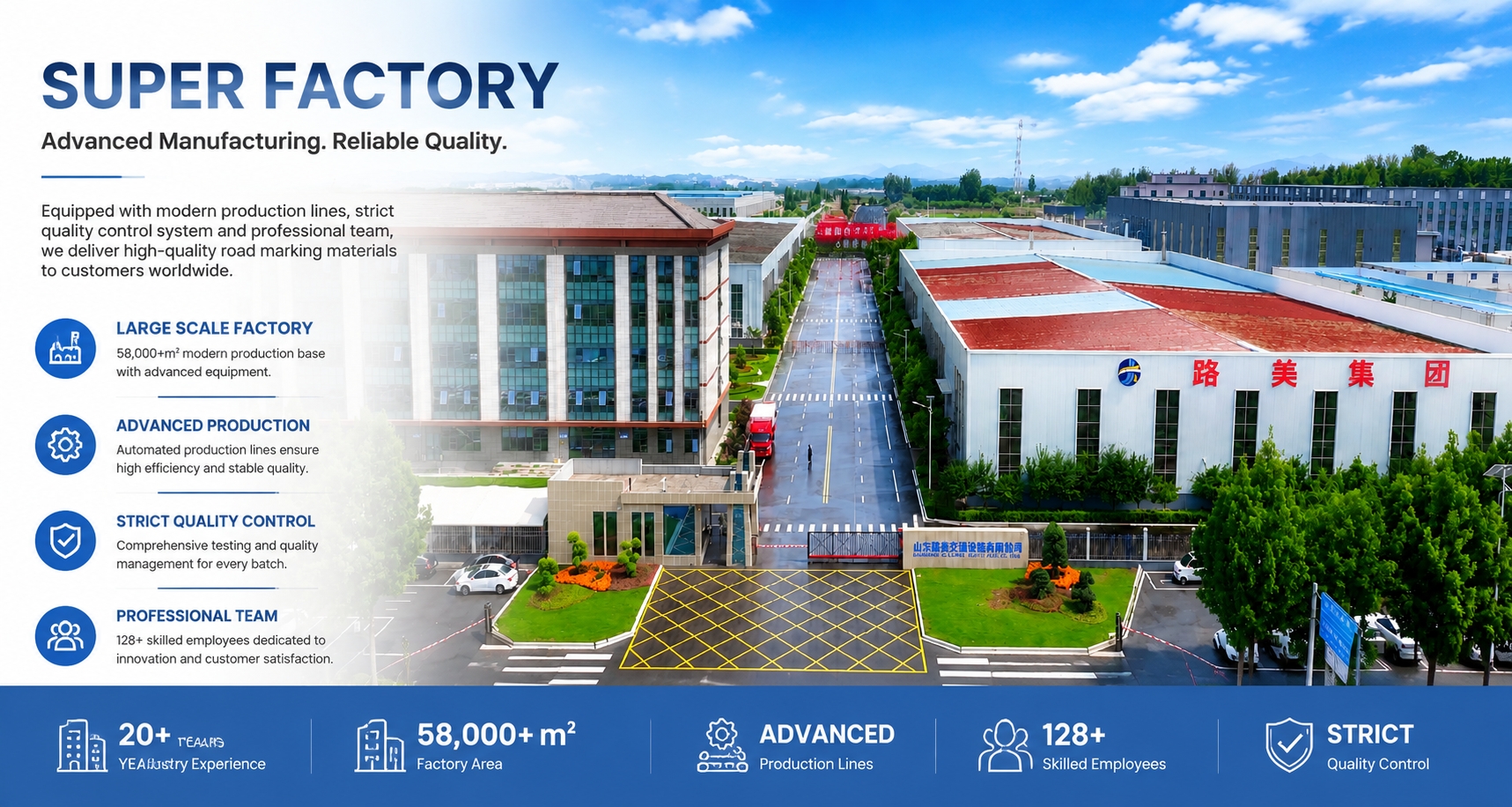
Shandong Lumei Traffic Facilities Co., Ltd. uses its component processing workshop to support road marking equipment manufacturing. The workshop connects metal component preparation, machining, inspection and transfer to assembly, providing buyers with a closer view of the manufacturing work behind finished machines.
For distributors, trading companies and road marking contractors, component processing is an important part of supplier evaluation. Mounting dimensions, connection points and component fit affect how equipment is assembled, adjusted and maintained.
Organized Workshop Layout and Material Handling
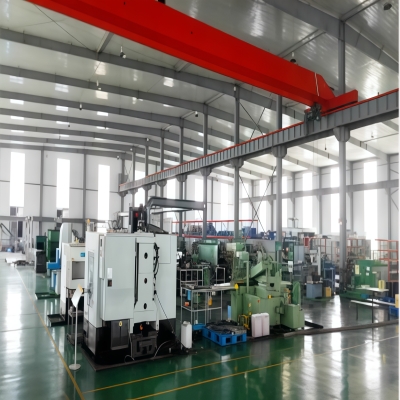
The workshop provides designated spaces for raw materials, machining operations, intermediate inspection and component transfer. An organized layout helps teams identify workpieces at different production stages and coordinate their movement between processing and assembly.
Overhead lifting equipment supports the handling of suitable heavy materials and components. Clear operating routes and appropriate handling methods are important for protecting workpieces and maintaining orderly workshop operations.
During a factory visit, buyers can discuss which processing activities are carried out on site and which purchased components are incorporated into the selected machine model.
Machining to Component Drawings and Assembly Requirements
CNC equipment supports the controlled machining of components according to drawings and specified dimensions. Depending on the machine design, relevant parts may include brackets, mounting plates, connection pieces and other components requiring defined fitting surfaces or hole positions.
The machining requirements vary by component. Dimensions and tolerances should match the approved drawing and intended function rather than a single accuracy claim applied to every part.
For equipment used with thermoplastic road marking paint, component selection must also suit the confirmed heating, material handling and application arrangement. Equipment for different marking systems requires its own configuration review.
Dimensional Checks Before Assembly
Component inspection connects machining with the next manufacturing stage. Relevant checks may include:
Key dimensions and mounting hole positions.
Condition of machined surfaces and edges.
Fit between mating components.
Identification of parts for the correct machine model.
Review of deviations requiring correction before assembly.
Dimensional inspection and finished machine testing serve different purposes. A component that meets its drawing still needs to be assembled correctly, followed by the applicable functional checks on the completed equipment.
Configuration Control and Replacement Parts
For repeat orders, keeping a clear record of machine models and component revisions helps buyers communicate replacement part requirements. Similar-looking parts should not be assumed to be interchangeable without checking their dimensions, connections and intended application.
Buyers can review LUMEI’s road marking product range when planning equipment and material procurement. Confirming the marking system, machine configuration and spare parts list together helps reduce misunderstandings before production.
Custom component or configuration requests should be reviewed for technical feasibility, testing requirements and their effect on the delivery schedule before order confirmation.
Discuss Manufacturing Details with LUMEI
The CNC workshop offers a useful view of component processing and its connection with equipment assembly. Buyers evaluating a machine order can request relevant workshop information and discuss the available inspection records for their selected configuration.
Contact LUMEI with your intended marking application, equipment requirements and expected order quantity to discuss model selection, component details and shipment preparation.