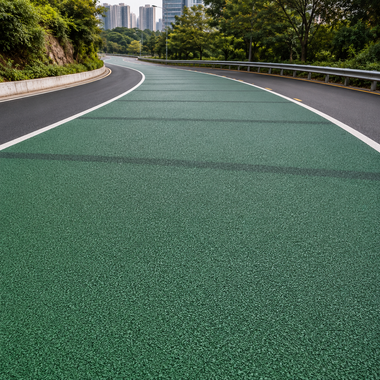
Products Description
Product Name
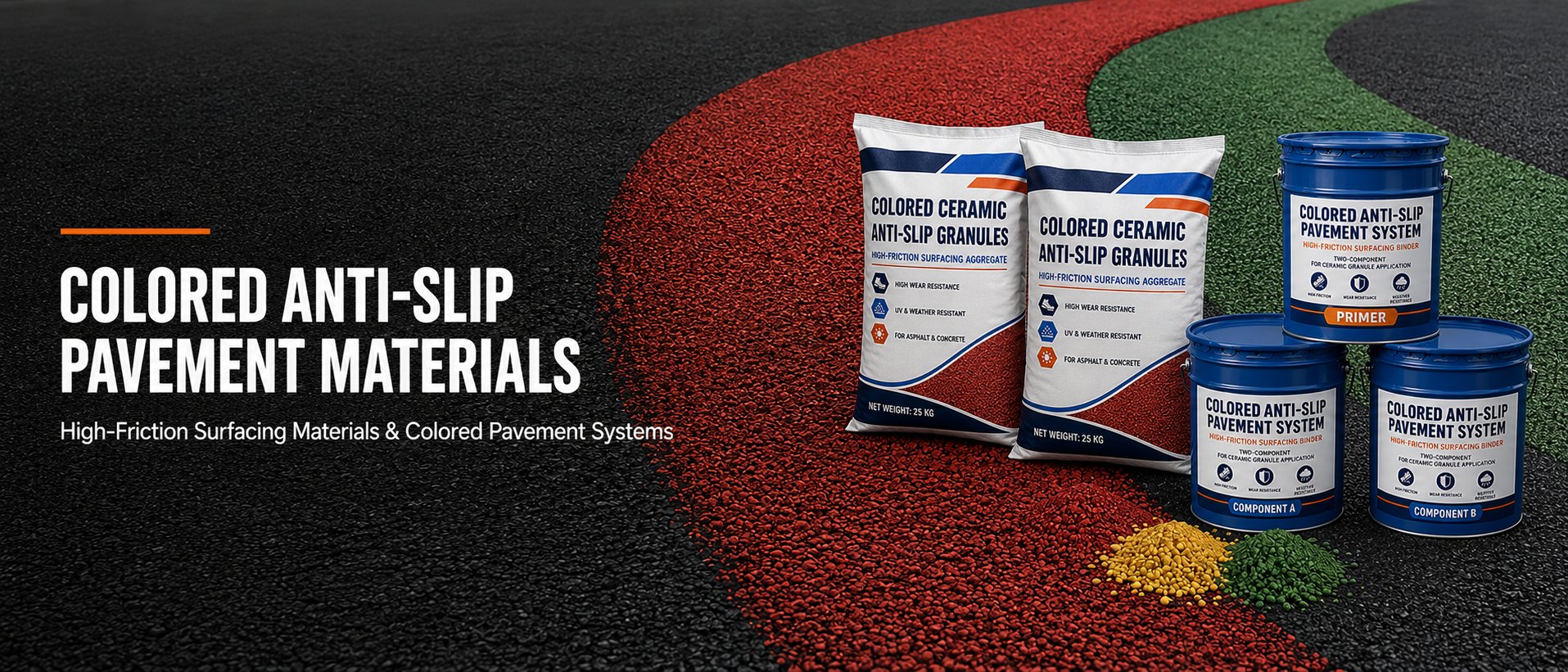
MMA Colored Ceramic Anti-Slip Pavement System
High-Friction, Weather-Resistant, Cold-Cured Surfacing for Asphalt, Concrete and Steel Decks
Product Overview
🛣️ The MMA Colored Ceramic Anti-Slip Pavement System is a complete cold-applied outdoor surfacing solution designed to improve skid resistance, traffic guidance and pavement appearance.
Unlike conventional outdoor epoxy surfacing, the system uses a modified MMA-based reactive resin technology developed for stronger weather resistance, faster curing and long-term exposure to traffic, ultraviolet radiation, rain and temperature changes.
The complete system consists of four compatible layers:
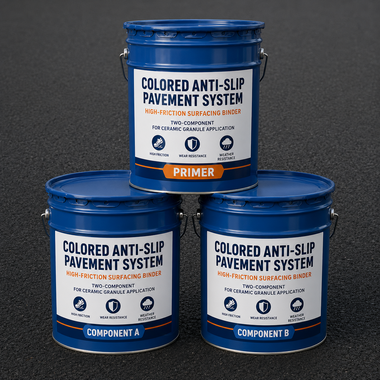
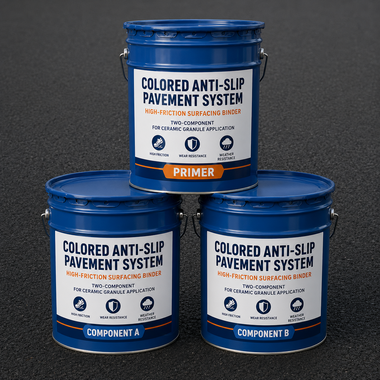
✅ Substrate primer / interface coat
✅ PU100 high-strength resin binder
✅ Colored wear-resistant ceramic granules
✅ MMA81 anti-stain protective topcoat
After curing, the resin tightly encapsulates and bonds the ceramic aggregate to the substrate, forming a durable, textured high-friction surface. The system is suitable for asphalt pavement, cement concrete and properly prepared steel bridge decks.
Three construction grades are available for light, medium and heavy traffic. Material consumption and finished thickness can therefore be matched to pedestrian areas, bus lanes, ramps, toll lanes and other demanding road applications.
Four-Layer System Structure
1. Primer / Interface Coat
The primer seals porous substrates, strengthens weak surface zones and improves adhesion between the existing pavement and the resin surfacing layer. It is particularly important on old, porous or slightly sandy concrete.
2. PU100 Resin Binder
PU100 is the main high-strength bonding layer. Its reactive resin structure wets and surrounds the ceramic aggregate, creating a firm bond with the prepared substrate after curing.
3. Colored Ceramic Granules
High-hardness, wear-resistant ceramic granules create the textured anti-slip surface. Standard and customized colors are available for traffic warning, lane identification and landscape applications.
4. MMA81 Anti-Stain Topcoat
MMA81 is the protective finishing layer. It helps improve stain resistance, surface integrity, weather resistance and long-term color appearance under outdoor service conditions.
All four materials should be selected and applied as one compatible system. Substituting unrelated primers, binders or topcoats may affect adhesion, curing and durability.
Core Advantages
🌦️ MMA-Modified Resin for Outdoor Durability
The reactive resin system offers stronger resistance to ultraviolet exposure, rainwater, temperature variation and chemical contamination than ordinary outdoor epoxy surfacing. It is designed to reduce yellowing, chalking, cracking and delamination during long-term outdoor use.
🧱 Strong Aggregate Encapsulation
The low-molecular-weight reactive resin penetrates and wets the ceramic granule surface before crosslinking. This helps form an integrated resin-and-aggregate layer and reduces the risk of loose granules when the system is correctly installed.
🚗 High-Friction Safety Surface
The finished dry-surface friction coefficient can reach ≥0.70 under the specified test condition. The coarse ceramic texture improves tire grip and can help reduce braking distance and skidding risk, especially at bends, slopes and deceleration zones. Actual traffic performance depends on pavement design, vehicle speed, weather and installation quality.
⚡ Rapid Cold Curing
At 23°C, typical surface-dry time is ≤1 hour and through-dry time is ≤2 hours. Fast curing helps shorten road closure periods and supports rapid reopening when site conditions and test results permit.
🌡️ Wide Application Temperature Range
Special project formulations are available for application from −30°C to 50°C. The exact formulation, catalyst ratio, working time and curing schedule must be confirmed for the actual site temperature.
🛡️ Comprehensive Physical Resistance
The system is designed for water resistance, heat resistance, acid and alkali resistance, low-temperature flexibility, impact resistance and thermal cycling. Project documents and test reports can be supplied for technical review.
🌱 Cold-Applied System
No thermoplastic melting kettle is required. The system is applied at ambient temperature and is suitable for projects where hot application is undesirable. Appropriate ventilation, PPE and local environmental requirements must still be observed.
Traffic Grades and Recommended Thickness
Light Traffic: 2–3 mm
Recommended for pedestrian walkways, bicycle lanes, footbridges, leisure plazas, greenways and scenic-area paths.
Medium Traffic: 3–4 mm
Recommended for bus lanes, bus bays, parking areas, urban ramps, landscape roads, bends and moderate-traffic warning zones.
Heavy Traffic: 4–5 mm
Recommended for expressway ramps, ETC toll lanes, airport service areas, port roads and industrial or logistics routes subject to heavier traffic.
Final thickness and material consumption should be determined from the substrate condition, traffic load, expected service life, aggregate grading and project specification.
Typical Applications
✅ Expressway ramps and deceleration zones
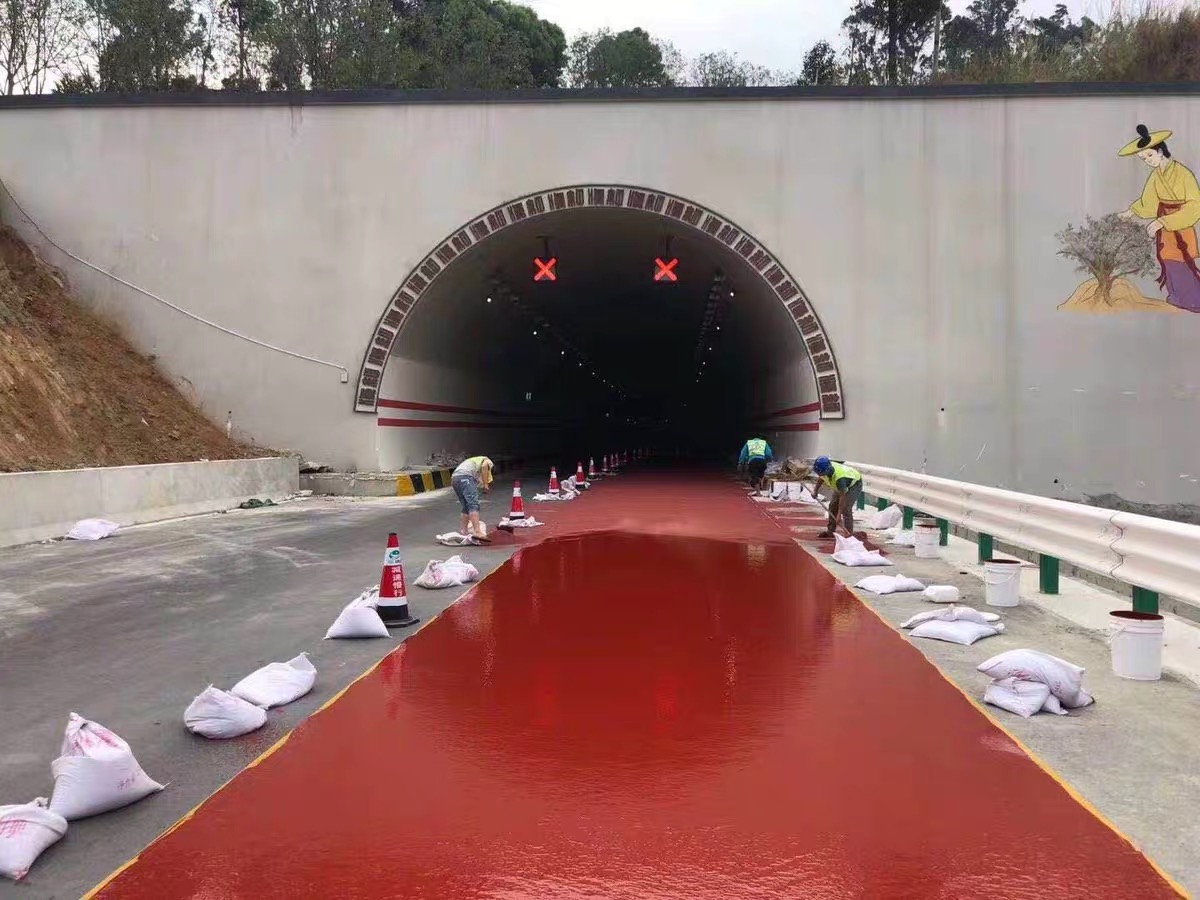
✅ Tunnel entrances and exits
✅ ETC toll lanes and toll plazas
✅ Sharp bends and long downhill sections
✅ Bus lanes, BRT lanes and bus bays
✅ Airport service roads and selected runway-related areas subject to project approval
✅ Port and logistics-park traffic routes
✅ Bicycle lanes and pedestrian routes
✅ School, hospital and commercial-area crossings
✅ Industrial-park ramps and loading zones
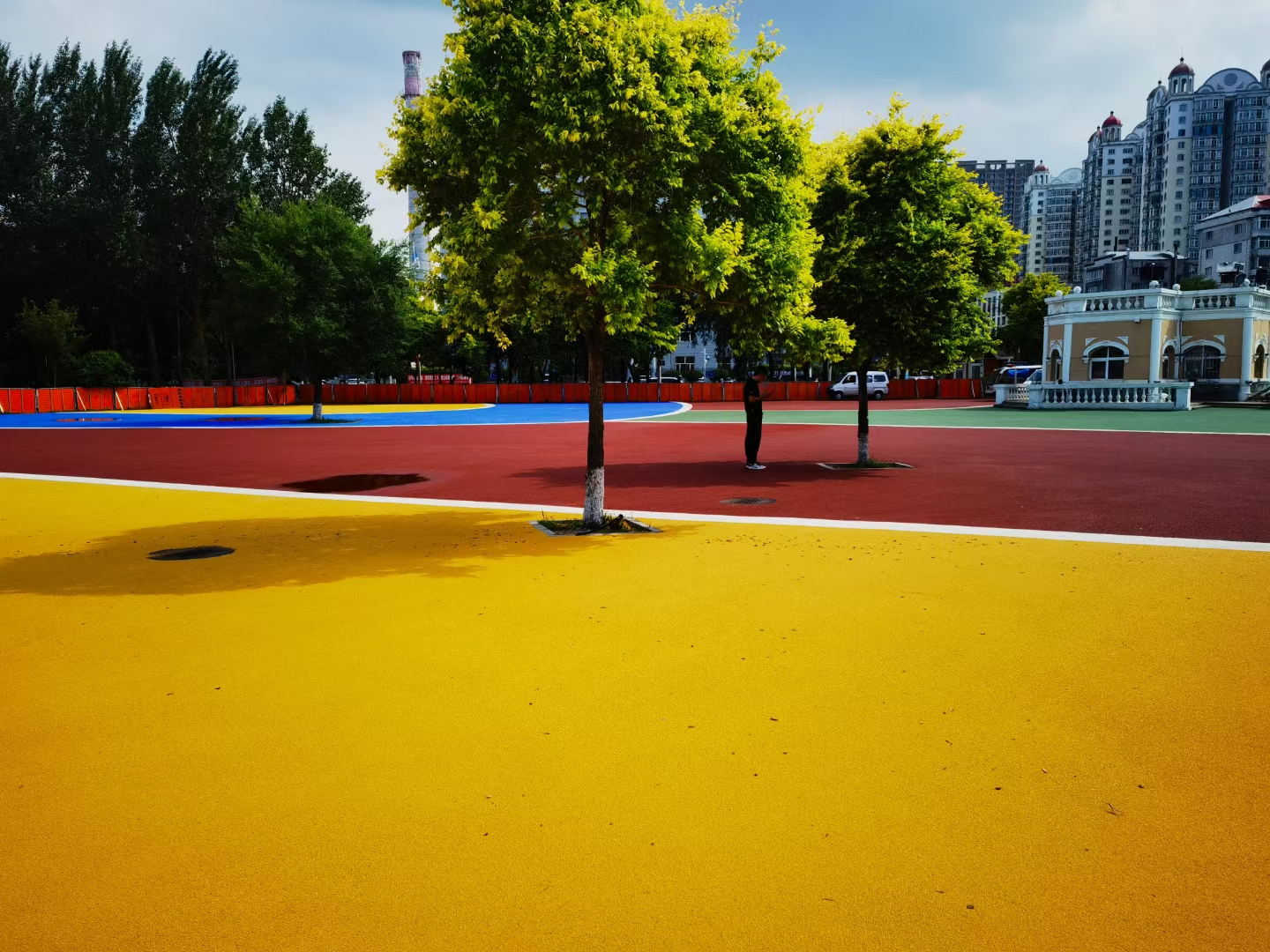
✅ Scenic-area paths and colored landscape pavement
✅ Properly prepared steel bridge decks
Technical Data
The values below are typical system indicators based on the supplied technical parameters. Final acceptance criteria should follow the confirmed specification and corresponding test report.
✅ Surface-dry time at 23°C: ≤1 hour
✅ Through-dry time at 23°C: ≤2 hours
✅ Dry-surface friction coefficient: ≥0.70
✅ Adhesion to concrete at 23°C: ≥5.0 MPa or substrate failure
✅ 7-day tensile adhesion at 23°C: ≥5.0 MPa
✅ 7-day elongation at break at 23°C: ≥40%
✅ Shore hardness at 20°C: 35–55
✅ Water resistance, 168 hours: No blistering, peeling or visible discoloration
✅ Heat resistance, 80°C for 5 hours: No flowing, blistering or sliding
✅ Low-temperature flexibility, −20°C, Φ20 bending test: No cracking
✅ Impact resistance, 1 kg × 50 cm: No cracking
✅ Alkali resistance, saturated calcium hydroxide solution, 168 hours: No abnormality
✅ Acid resistance, 2% hydrochloric acid, 168 hours: No abnormality
✅ Thermal crack-resistance cycle, −20°C / 25°C, three cycles: No cracking
✅ Application temperature options: −30°C to 50°C, formulation dependent
✅ Substrates: Asphalt, cement concrete and prepared steel deck
✅ Referenced test standards: GB/T 16777, GB/T 1732 and JT/T 712, as applicable to the tested item
Drying time, pot life, coverage and reopening time vary with ambient temperature, substrate temperature, humidity, mixing ratio, layer thickness and ventilation. No rain, condensation or standing water should occur during application or within the required curing period.
Available Colors
🎨 Regular ceramic granule colors include:
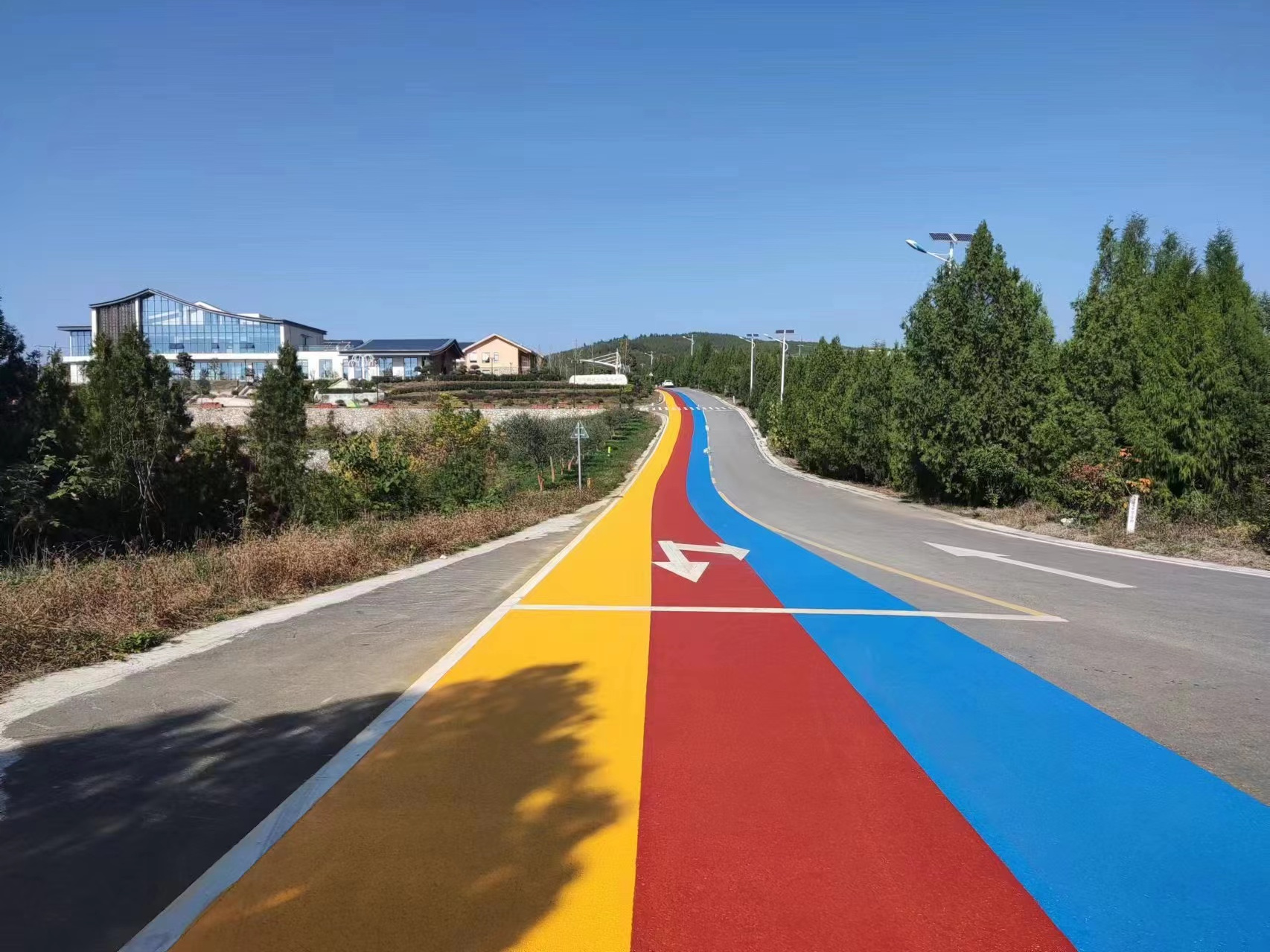
✅ Red
✅ Yellow
✅ Blue
✅ Gray
✅ Green
✅ Other project colors by sample or reference
Small project orders and trial samples can be discussed. Color variation may occur between batches because ceramic aggregate is mineral based; one production batch is recommended for visually continuous areas.
Substrate Preparation
The substrate must be structurally sound, dry and free from dust, laitance, loose aggregate, oil, curing compound, old weak coating and standing water.
Old concrete with sanding or powdering must be mechanically prepared and treated with the recommended primer/interface coat. Cracks, potholes and weak areas should be repaired before surfacing.
New dense asphalt may not always require the same primer procedure as porous concrete, but site adhesion testing is recommended before omitting any layer.
Steel decks require suitable rust removal, cleaning and a compatible primer system. A trial area should be completed to verify adhesion, appearance and consumption before full-scale construction.
Recommended Construction Procedure
1. Prepare the Substrate
Grind, shot-blast, clean or repair the existing pavement as required. Confirm that it is dry and free from contamination.
2. Apply Primer
Apply the substrate-specific primer/interface coat evenly. Allow it to reach the required condition before proceeding.
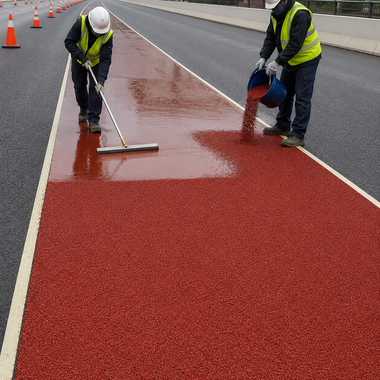
3. Mix and Spread PU100 Binder
Mix the binder components according to the confirmed ratio. Spread the material uniformly with a suitable squeegee or notched tool at the specified consumption rate.
4. Broadcast Ceramic Granules
Broadcast colored ceramic granules while the binder remains workable. Ensure complete and even coverage, with no missed zones or excessive piles.
5. Cure and Recover Loose Aggregate
Allow the binder to cure fully. Sweep, vacuum or blow off loose granules. Clean, uncontaminated excess aggregate may be recovered for reuse where the project specification permits.
6. Apply MMA81 Topcoat
Apply the MMA81 anti-stain protective topcoat at the specified rate. Allow the complete system to cure and pass site inspection before reopening to traffic.
Important Construction Conditions
⚠️ Do not apply during rain, fog, condensation or on a damp substrate.
⚠️ The pavement must remain protected from rainfall during the required curing period; the supplied recommendation is no rainfall within 12 hours after construction.
⚠️ High humidity and trapped moisture can cause whitening, reduced adhesion or aggregate loss.
⚠️ Mixing ratio, catalyst dosage and working time must be adjusted only according to the confirmed product instructions.
⚠️ Use clean tools and prepare only the quantity that can be applied within the working time.
⚠️ Reopen the road only after the system is sufficiently cured and accepted on site.
Supply and Technical Support
📦 Complete project material packages are available:
✅ Substrate primer / interface coat
✅ PU100 resin binder
✅ Colored ceramic wear-resistant granules
✅ MMA81 anti-stain topcoat
✅ Recommended consumption and layer-thickness plan
✅ Substrate-preparation guidance
✅ Remote application support
✅ Sample and trial-order support
For an accurate proposal, provide the project area, substrate type, required color, traffic grade, target thickness, local temperature, expected service condition and destination port.
FAQ
Q1: Is primer necessary on old, sandy concrete?
Yes. Loose, porous or powdering concrete should be mechanically prepared and treated with the recommended primer/interface coat. This seals pores, strengthens the surface and improves bonding. Dense new asphalt may use a different preparation plan, subject to site testing.
Q2: Can the system be applied in rain or high humidity?
No. Do not install it during rain, heavy fog, condensation or when the pavement is damp. Moisture can interfere with curing and may cause whitening, reduced adhesion or aggregate loss.
Q3: Can excess ceramic granules be reused?
Loose granules that have not entered the binder can be recovered after curing. Only clean, dry aggregate without dust or contamination should be reused, and only when permitted by the project procedure.
Q4: Are small custom-color orders available?
Regular red, yellow, blue, gray and green granules are commonly available. Small project orders and trial samples can be discussed. Special colors are produced according to sample confirmation and production feasibility.
Q5: How does MMA surfacing differ from ordinary epoxy surfacing?
The MMA-modified system is designed for faster curing, wider application-temperature options and stronger resistance to ultraviolet exposure and outdoor weathering. Actual service life depends on traffic, thickness, substrate preparation, installation quality and maintenance.
Q6: How soon can traffic reopen?
At 23°C, typical surface-dry time is ≤1 hour and through-dry time is ≤2 hours. Actual reopening must be decided from the site temperature, thickness, curing condition and inspection result.
Q7: What is included in the complete supply package?
The complete system includes primer/interface coat, PU100 binder, colored ceramic granules and MMA81 anti-stain topcoat. Consumption and packing are configured according to the project area and traffic grade.
Inquiry & Cooperation
📩 Contact us for factory quotations, color samples, test data, layer-consumption calculations and project-specific application guidance.
👉 Complete four-layer system supply
👉 Light, medium and heavy traffic solutions
👉 Custom colors and trial orders
👉 Export packing and shipment support
👉 Remote factory inspection and technical communication available
Our factory
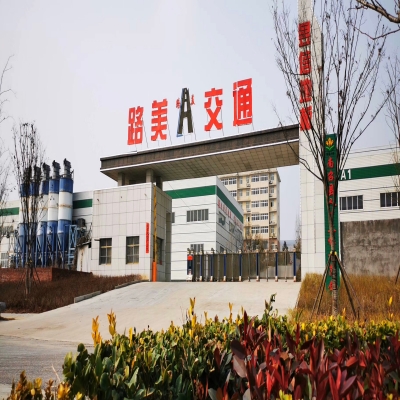
LUMEI Road Marking···
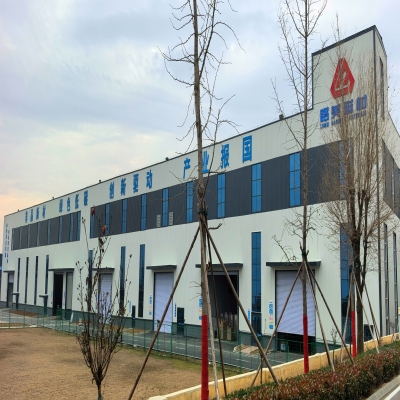
LUMEI Road Marking···
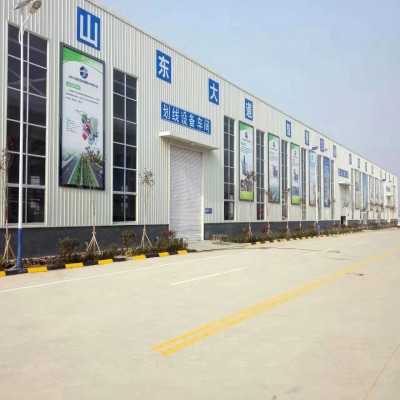
LUMEI Road Marking···
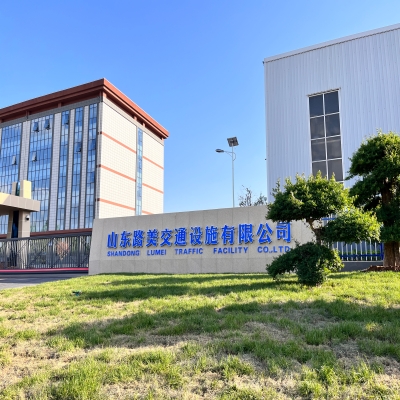
LUMEI Factory and ···
Hot Tags: colored ceramic aggregate anti-skid ceramic particles road anti slip aggregate colored pavement aggregate high friction road material