How to Choose the Right Hot Melt Road Marking Paint for Highway Projects
Highway road marking plays an important role in traffic safety by guiding vehicles, separating lanes, providing warnings, and improving driving visibility. As highway traffic volume continues to increase, road marking systems are required to provide excellent durability, high visibility, strong adhesion, and long-term performance under different weather conditions.
Among various road marking materials, hot melt road marking paint is one of the most widely used solutions for highway projects. It is popular because of its fast construction speed, good wear resistance, strong visibility, and cost-effectiveness.
However, selecting the right hot melt road marking paint is not simply about choosing a low-cost product. Different highway environments have different requirements for material performance. Factors such as traffic volume, climate conditions, pavement type, construction method, and service life expectations all influence the final performance of road markings.
For highway contractors, distributors, and road safety companies, understanding how to select suitable hot melt road marking paint is essential for achieving reliable marking performance and reducing maintenance costs.
1. Understanding the Characteristics of Hot Melt Road Marking Paint
Hot melt road marking paint, also known as thermoplastic road marking paint, is a solid powder-like material that needs to be heated before application. During construction, the material is melted at a controlled temperature and applied onto asphalt or concrete pavement using professional marking equipment.
After cooling, the material forms a durable marking layer with good adhesion and wear resistance.
Compared with traditional solvent-based road marking paint, hot melt road marking paint provides several advantages for highway applications.
1.1 Excellent Wear Resistance for Heavy Traffic Roads
Highways experience continuous vehicle movement, including heavy trucks and high-speed traffic. Road markings are constantly affected by tire friction, braking forces, and mechanical pressure.
Therefore, wear resistance is one of the most important performance requirements for highway marking materials.
High-quality hot melt road marking paint forms a strong coating after cooling, allowing the markings to maintain their shape and color for a longer period.
For highways with high traffic volume, selecting a thermoplastic material with better abrasion resistance can significantly extend maintenance intervals and reduce repainting frequency.
1.2 Fast Drying and Quick Traffic Opening
One major advantage of hot melt road marking paint is its fast curing process.
After application, the material quickly cools and forms a solid marking layer. Compared with some liquid marking paints that require longer drying times, thermoplastic materials allow roads to reopen within a shorter period.
This advantage is especially important for highway maintenance projects, where traffic interruption needs to be minimized.
Short construction times help contractors improve project efficiency and reduce the impact on road users.
1.3 Strong Visibility and Reflective Performance
Highway markings must remain clearly visible during both daytime and nighttime conditions.
Hot melt road marking paint can be combined with reflective glass beads to improve retroreflectivity. The glass beads reflect vehicle headlights back toward drivers, helping them recognize lane lines and road guidance information at night.
For highways, expressways, and areas with poor lighting conditions, reflective performance is an important factor when selecting road marking materials.
2. Key Factors When Selecting Hot Melt Road Marking Paint for Highways
Although many suppliers provide hot melt road marking paint, product quality and performance can vary significantly.
Before purchasing, highway contractors should evaluate several important factors.
2.1 Material Composition and Quality Control
The performance of hot melt road marking paint depends largely on its raw materials and production process.
A reliable road marking paint manufacturer should carefully control:
Resin quality;
Pigment performance;
Filler selection;
Additive proportion;
Production consistency.
High-quality resin improves adhesion and flexibility, while suitable fillers enhance durability and construction performance.
Poor-quality materials may reduce production costs, but they can result in problems such as early wear, cracking, color fading, and poor adhesion.
Therefore, buyers should focus not only on price but also on manufacturing standards and product stability.
2.2 Adhesion Performance on Different Pavements
Highway pavement conditions can vary.
Common pavement types include:
Asphalt pavement;
Cement concrete pavement;
Modified asphalt surfaces.
Different pavement structures require different adhesion performance.
A good hot melt road marking paint should maintain strong bonding with the pavement surface after proper preparation.
Before large-scale application, contractors should evaluate compatibility between the marking material and the pavement condition.
Proper surface cleaning and suitable primer application can also improve adhesion performance.
2.3 Weather Resistance and Long-Term Durability
Road markings are exposed to outdoor environments throughout the year.
They must withstand:
Rain;
UV radiation;
Temperature changes;
Snow and ice;
Continuous vehicle pressure.
For highway applications, weather resistance is especially important because maintenance operations are more difficult and costly compared with ordinary roads.
Selecting a road marking material with strong environmental resistance helps maintain stable performance throughout different seasons.
3. Choosing the Right Hot Melt Road Marking Paint Based on Application Requirements
Different highway areas may require different marking solutions.
A professional supplier should recommend products according to actual project conditions.
3.1 Highway Lane Markings
Lane lines are the most common application of hot melt road marking paint.
They require:
Good visibility;
Stable adhesion;
Long service life;
Consistent line appearance.
For these applications, contractors usually choose standard white and yellow thermoplastic road marking materials with reflective glass beads.
3.2 Warning Areas and Special Traffic Zones
Some highway areas require enhanced safety performance.
Examples include:
Road intersections;
Toll stations;
Exit and entrance areas;
Curved sections.
These locations experience frequent braking and steering actions, creating higher friction on markings.
Materials with stronger wear resistance and adhesion are recommended for these areas.
3.3 High-Speed Traffic Roads
High-speed roads require strict performance standards because vehicles travel at higher speeds and drivers need clear visual guidance.
The selected hot melt road marking paint should provide:
Excellent retroreflectivity;
Strong durability;
Stable surface performance.
Reliable material selection helps improve traffic safety and reduce maintenance requirements.
4. Why Choose a Professional Hot Melt Road Marking Paint Manufacturer
Choosing the right supplier is as important as choosing the right product.
A professional manufacturer can provide not only road marking paint but also technical support and customized solutions.
4.1 Stable Production Capacity
For highway projects, material supply stability is critical.
A professional factory should have:
Modern production equipment;
Strict quality inspection procedures;
Stable raw material supply;
Consistent product performance.
This ensures that every batch delivered to customers meets the required standards.
4.2 Technical Support for Different Projects
Different countries and regions have different road conditions and construction requirements.
An experienced manufacturer can help customers select suitable products according to:
Climate conditions;
Pavement types;
Traffic volume;
Construction methods.
This reduces purchasing risks and improves project results.
4.3 Customized Packaging and Export Service
For international customers, export capability is also an important consideration.
A reliable Chinese road marking paint supplier should provide:
Export-standard packaging;
Product documentation;
Technical data sheets;
Professional communication support.
These services make international cooperation easier and more efficient.
5. Conclusion
Hot melt road marking paint remains one of the most effective solutions for highway marking projects because of its excellent durability, fast construction performance, and cost advantages.
However, selecting the right product requires careful consideration of material quality, road conditions, climate environment, and project requirements.
For highway contractors and international buyers, working with an experienced road marking materials manufacturer can ensure stable product quality and long-term project performance.
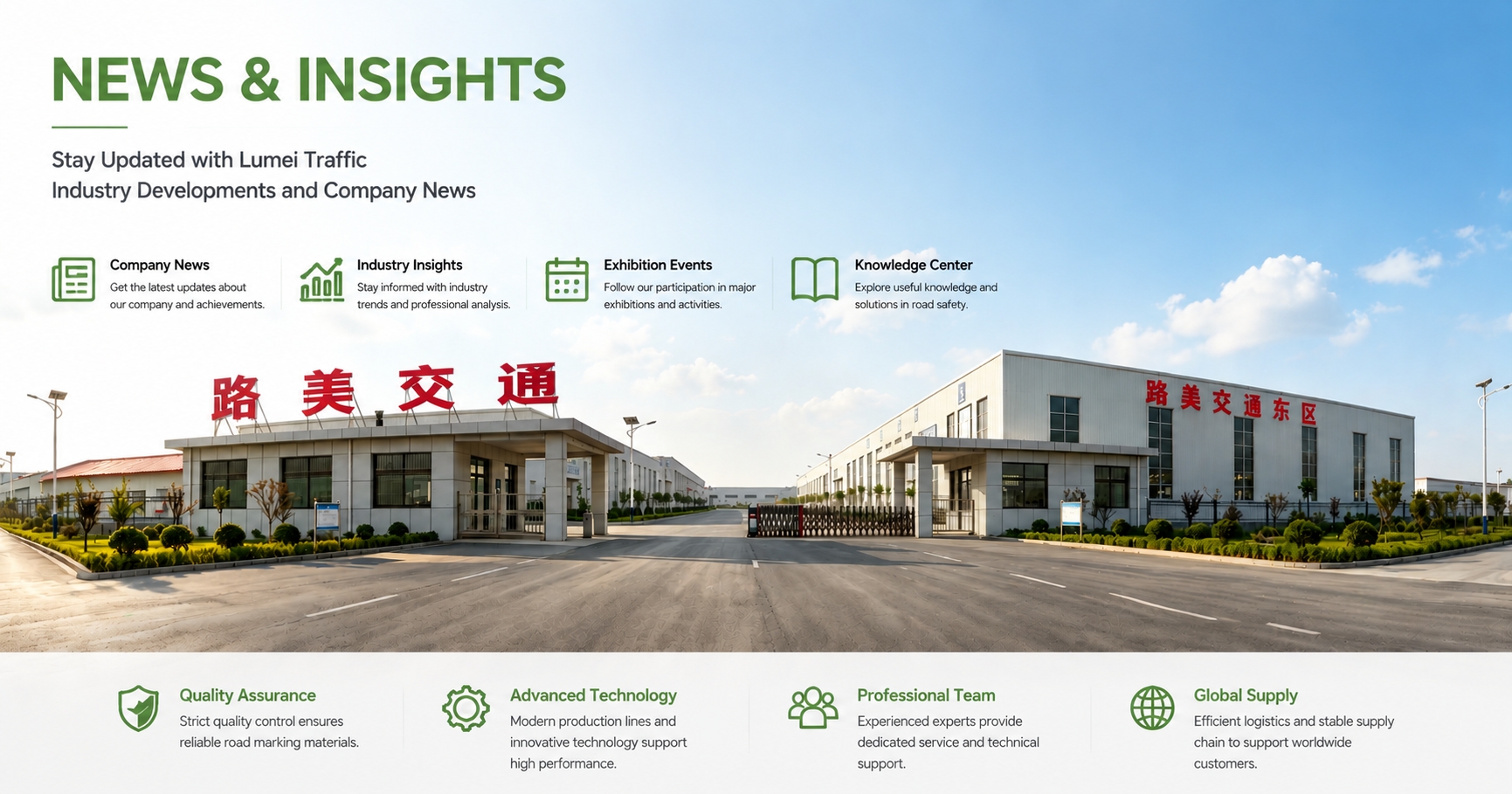
Shandong Lumey Traffic Facilities Co., Ltd. specializes in manufacturing road marking materials, including hot melt road marking paint, two component road marking paint, cold paint, reflective glass beads, and related traffic safety products.
With professional production processes and quality control systems, Lumey provides reliable road marking solutions for customers worldwide.
Choosing the right hot melt road marking paint is not only about purchasing a product but also about creating a safer, more durable, and more efficient road transportation environment.