Raw Material Management for Road Marking Paint Production
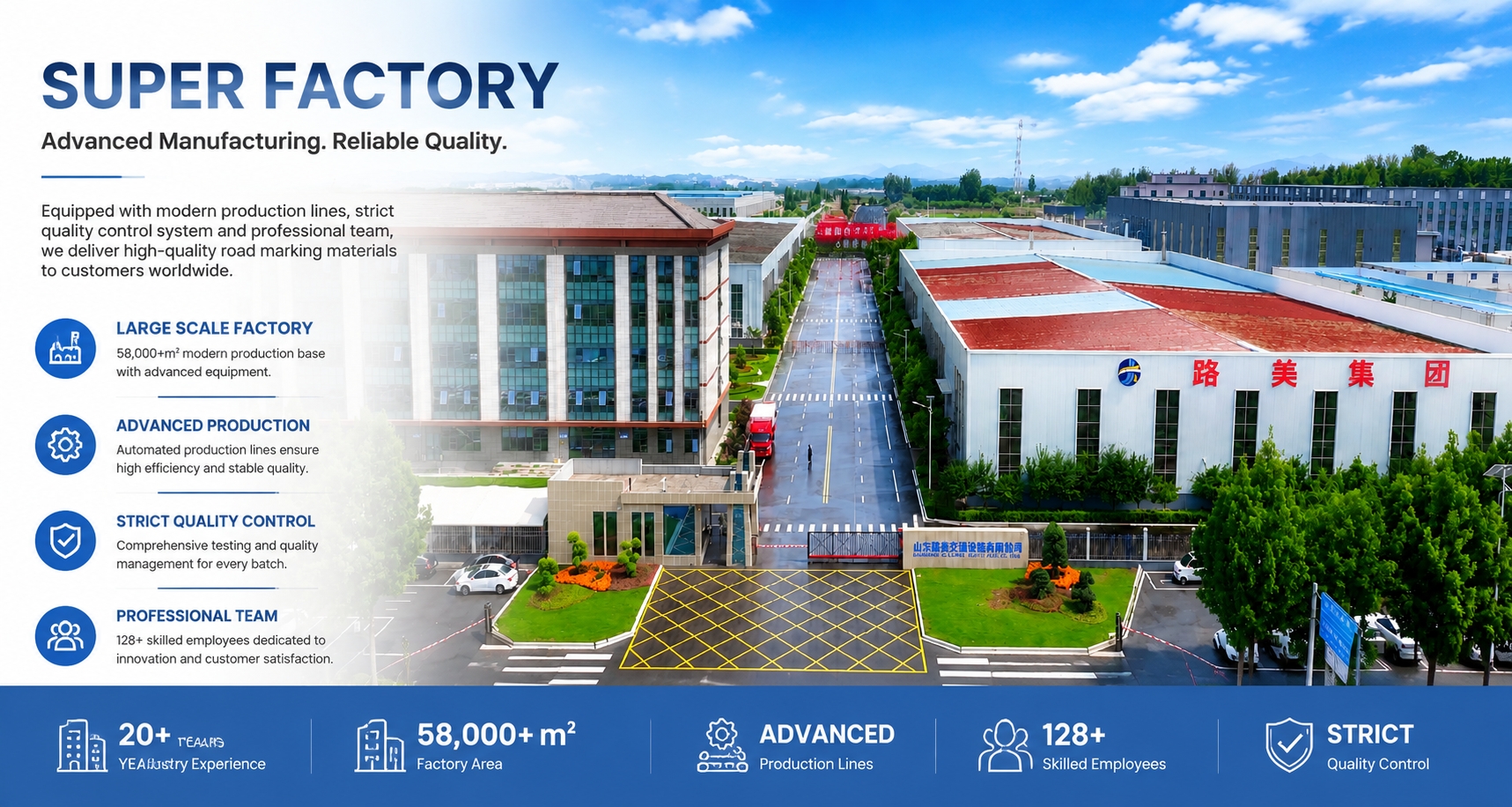
Shandong Lumei Traffic Facilities Co., Ltd. uses dedicated raw material storage facilities to support road marking paint production. Storage, incoming inspection and material identification connect purchasing with the batching and mixing stages.
For overseas buyers, this part of the factory provides useful insight into how materials are managed before manufacturing begins. Finished paint quality depends on the selected formulation and production controls, supported by appropriate raw material selection and handling.
Bulk Storage and Separate Material Identification
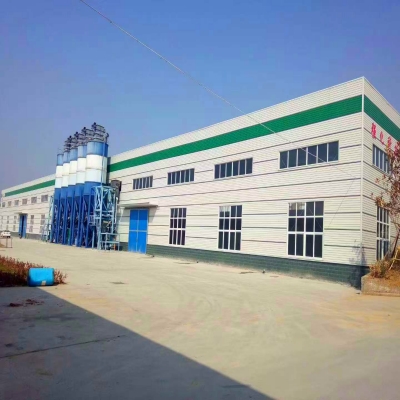
The storage area includes vertical silos for suitable bulk materials, alongside storage arrangements appropriate to other ingredients. Materials used in thermoplastic paint formulations may include resins, mineral fillers, pigments, glass beads and additives.
Each material requires a storage method suited to its characteristics. Not every ingredient should be assumed to use the same silo system or storage conditions.
Clear identification helps distinguish material types, grades and batches. Organized storage also supports stock checks and reduces unnecessary handling between receipt and production.
For buyers comparing thermoplastic road marking paint options, material grades and formulation requirements are more meaningful than storage capacity alone.
Incoming Inspection Before Production Use
Incoming material checks help determine whether a delivery meets the purchasing specification before it is released for production. The inspection scope should reflect the material and its intended use.
Relevant checks may include:
Supplier information, material grade and batch identification.
Packaging condition and signs of moisture or contamination.
Supporting supplier documents and applicable test results.
Sampling and selected physical or performance checks.
Recording and handling of materials requiring further review.
Different ingredients need different checks. A single test does not establish suitability for every formulation, and incoming inspection does not replace finished paint testing.
Storage Conditions and Batch Traceability
Suitable storage helps limit exposure to moisture, contamination and other conditions that may affect material handling or performance. Storage requirements should follow the relevant material information and factory procedures.
Batch identification provides a link between received materials and production records. Where maintained, these records help teams investigate differences between batches and review the materials used in a particular order.
For repeat purchases, buyers should confirm the agreed product specification and relevant inspection documents. A showroom sample or previous shipment should not replace a clearly identified specification for the next order.
Inventory Planning and Export Order Coordination
Bulk purchasing and organized inventory can support production planning and help manage material handling costs. Actual product pricing and delivery schedules still depend on the formulation, order quantity, packaging requirements and material availability.
Buyers can use our guide on comparing road marking paint quotations to review offers against consistent specifications rather than price alone.
For customized colors or formulations, material availability and sample confirmation should be discussed before bulk production. Any production location or supply arrangement should also be confirmed for the specific order.
Discuss Your Material and Quality Requirements
LUMEI’s raw material storage facilities form part of the wider manufacturing process, connecting procurement, inspection, formulation and production.
Contact LUMEI with your required paint type, technical specification and expected quantity to discuss samples, available inspection information and production arrangements.